Building muscle after 40 is absolutely possible with a tailored approach focusing on smart training, optimal nutrition, and adequate recovery.
Many individuals approaching or surpassing their fourth decade often question the feasibility of significant muscle gain, often citing age as an insurmountable barrier. However, this perspective overlooks the remarkable adaptability of the human body, even as it matures. This article will provide a comprehensive guide, drawing on extensive research and practical insights, to demystify the process of how to build muscle after 40, ensuring you can continue to achieve impressive physical transformations and enhance your overall well-being. We will equip you with the knowledge and strategies necessary to overcome perceived limitations and sculpt a stronger, more resilient physique.

Understanding Age-Related Changes in Muscle Building
As we age, our bodies undergo several physiological shifts that can impact muscle growth, a process often referred to as sarcopenia, the gradual loss of muscle mass and strength. Hormonal changes, particularly a decline in testosterone and growth hormone levels, can slow muscle protein synthesis. Additionally, metabolic rates tend to decrease, and our bodies may become less efficient at recovering from strenuous exercise. It is essential to acknowledge these changes not as roadblocks, but as critical factors to consider when developing an effective strategy for how to build muscle after 40. Understanding these biological realities allows us to implement targeted adjustments to training, nutrition, and lifestyle, optimizing our efforts.
The Foundational Pillars: Training Principles for Over 40
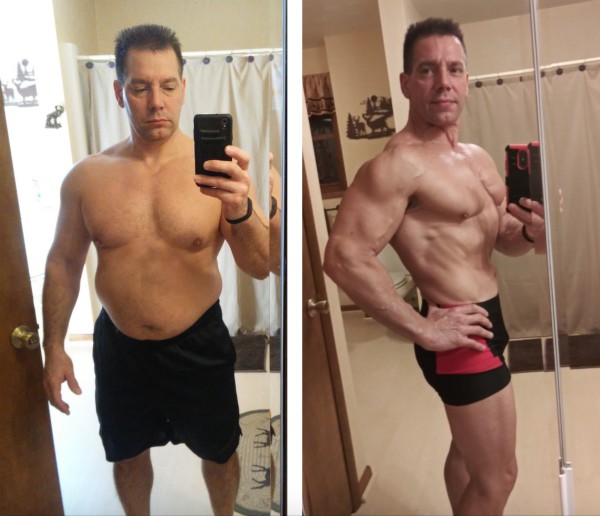
To effectively build muscle after 40, your training regimen must be strategic, focusing on progressive overload while prioritizing joint health and recovery. Resistance training remains the cornerstone, stimulating muscle fibers and promoting growth. I've personally seen countless individuals in their 40s and beyond achieve incredible results by shifting their mindset from simply "lifting heavy" to "lifting smart."
- Prioritize Compound Movements: Exercises like squats, deadlifts, presses, and rows engage multiple muscle groups simultaneously, yielding greater systemic benefits and hormonal responses crucial for muscle building. These movements also mimic real-world activities, enhancing functional strength.
- Progressive Overload, Smartly Applied: The principle of continually challenging your muscles with increasing weight, reps, or time under tension is non-negotiable. However, instead of always chasing maximum weight, consider varied approaches like slower eccentrics, increased volume, or shorter rest periods to maintain intensity while managing joint stress. Your body in its 40s requires a more nuanced application of this principle compared to your 20s.
- Focus on Form and Control: Proper technique is paramount to prevent injuries, which can be far more debilitating and slower to heal in your 40s. Each repetition should be executed with control, emphasizing the mind-muscle connection. This not only safeguards your joints but also maximizes muscle activation.
- Incorporate Deloads and Active Recovery: Regularly scheduled deload weeks, where intensity or volume is reduced, are vital for allowing your body to fully recover and adapt. Active recovery, such as light cardio or stretching, can also aid blood flow and reduce muscle soreness, preparing you for subsequent training sessions.
- Listen to Your Body: This is perhaps the most crucial advice for anyone looking to build muscle after 40. Pushing through pain or extreme fatigue is counterproductive and significantly increases injury risk. Some days, you might need to adjust your planned workout based on how you feel.
Fueling Your Gains: Nutrition Strategies
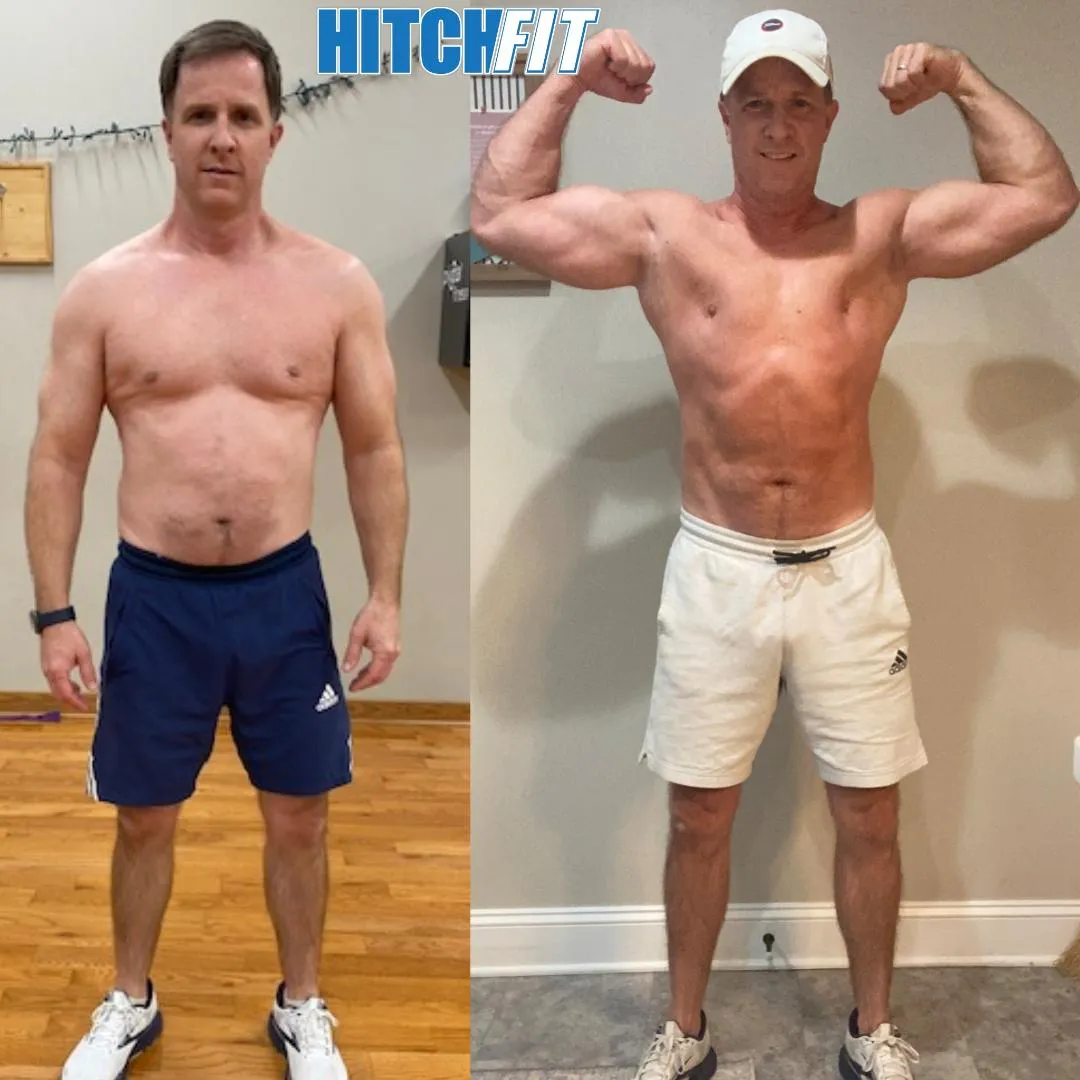
Nutrition plays an equally critical role when you are trying to build muscle after 40, perhaps even more so than in younger years. As metabolism naturally slows, precise dietary choices become essential for muscle repair, growth, and fat management. My experience has shown that clients who meticulously track their nutritional intake consistently see better results and fewer plateaus.
- Adequate Protein Intake: Protein is the building block of muscle. Aim for 0.7 to 1 gram of protein per pound of body weight daily, distributed across meals. Lean meats, poultry, fish, eggs, dairy, and plant-based proteins like legumes and tofu are excellent sources. This intake supports muscle protein synthesis and helps combat age-related muscle loss.
- Complex Carbohydrates: These provide sustained energy for your workouts and help replenish glycogen stores. Opt for whole grains, fruits, and vegetables. Their fiber content also aids digestion and satiety.
- Healthy Fats: Essential for hormone production, including testosterone, and overall cellular health. Incorporate sources like avocados, nuts, seeds, olive oil, and fatty fish.
- Hydration is Key: Water is involved in countless bodily functions, including nutrient transport and joint lubrication. Staying well-hydrated is fundamental for performance and recovery, especially when pursuing how to build muscle after 40.
- Micronutrient-Rich Foods: Ensure a diverse intake of vitamins and minerals from a wide variety of fruits and vegetables. These micronutrients support energy metabolism, immune function, and overall health, all critical for strenuous training.

The Power of Rest and Recovery
Often overlooked, rest and recovery are where muscles truly grow. When you are looking to build muscle after 40, your body’s ability to recover from stress, whether from training or daily life, can be diminished compared to your younger years. Therefore, prioritizing these aspects is not just beneficial, but absolutely necessary.
- Sufficient Sleep: Aim for 7-9 hours of quality sleep per night. During deep sleep, the body releases growth hormone, critical for muscle repair and regeneration. Poor sleep can also elevate cortisol levels, which can hinder muscle growth and promote fat storage.
- Stress Management: Chronic stress elevates cortisol, a catabolic hormone that breaks down muscle tissue. Incorporate stress-reducing activities like meditation, yoga, spending time in nature, or engaging in hobbies.
- Active Recovery and Mobility Work: Light activities such as walking, foam rolling, stretching, or dynamic mobility drills can enhance blood flow to sore muscles, reduce stiffness, and improve flexibility. This proactive approach supports ongoing training and reduces injury risk.
- Listen to Your Body's Signals: Don't hesitate to take an extra rest day if you feel overly fatigued or experience persistent aches. Pushing through excessive fatigue can lead to overtraining, injury, and burnout, counteracting your efforts to build muscle after 40.

Mindset and Consistency: The Unseen Builders
While physiological adaptations are important, the psychological aspect of how to build muscle after 40 cannot be understated. A consistent, positive mindset is often the differentiating factor between those who succeed and those who falter. I’ve observed that sustained effort, even when progress seems slow, yields the most profound long-term results.
- Set Realistic Goals: Understand that progress might be slower than it was in your 20s. Celebrate small victories and focus on incremental improvements. This prevents frustration and fosters long-term adherence.
- Embrace Patience and Persistence: Muscle building is a marathon, not a sprint, especially when older. Consistency over weeks, months, and years is what truly transforms your physique and strength.
- Seek Support and Accountability: Whether it's a workout partner, a coach, or a supportive community, having others to share your journey with can provide motivation and keep you accountable.
- Educate Yourself Continually: Stay informed about best practices in training, nutrition, and recovery. The more you understand, the better equipped you'll be to adapt your approach as needed.
- View It as a Lifestyle: Building muscle after 40 isn't just about gym time; it's about integrating healthy habits into every aspect of your life—eating well, sleeping enough, managing stress. This holistic approach ensures sustainable success.

Common Mistakes to Avoid
When embarking on the journey to build muscle after 40, certain pitfalls can derail your progress. Being aware of these common errors can help you navigate your path more effectively and maintain momentum.
- Over-reliance on High Intensity without Adequate Recovery: While intensity is crucial, consistently pushing to your absolute limit without sufficient recovery periods can lead to overtraining, increased injury risk, and hormonal imbalances. Your body simply takes longer to bounce back than it used to.
- Neglecting Warm-ups and Cool-downs: Skipping these vital components increases the likelihood of muscle strains and joint issues. A thorough warm-up prepares your body for the stress of lifting, while a cool-down aids in flexibility and recovery.
- Ignoring Pain Signals: True pain, especially in joints, is a red flag. Pushing through it can lead to chronic injuries that sideline you completely. Distinguish between muscle fatigue and joint pain, and always err on the side of caution.
- Inconsistent Nutrition: Erratic eating habits, inadequate protein, or insufficient calorie intake will severely hinder your ability to build and repair muscle. Without proper fuel, your body cannot optimize muscle protein synthesis.
- Comparing Yourself to Younger Self or Others: This is a mental trap that breeds frustration. Your journey is unique. Focus on personal progress and celebrate how your body is adapting and growing stronger now. The goal is not to be 20 again, but to be the strongest, healthiest version of yourself in your 40s.
Frequently Asked Questions
Is it really possible to build significant muscle after 40?
Yes, absolutely. While physiological changes occur with age, the human body retains its capacity for muscle growth and adaptation. With a smart, consistent strategy, individuals over 40 can build significant muscle mass and strength.
What are the most important dietary changes for muscle gain over 40?
Prioritize high protein intake (0.7-1g per pound of body weight), focus on complex carbohydrates for energy, and include healthy fats for hormone production. Consistent hydration and nutrient-dense whole foods are also crucial.
How often should someone over 40 lift weights?
A frequency of 2-4 resistance training sessions per week, targeting all major muscle groups, is generally effective. This allows for adequate muscle stimulation and sufficient recovery time between workouts.
What role does testosterone play, and should I consider testing?
Testosterone levels naturally decline with age, which can impact muscle protein synthesis and recovery. While some consider testing, focus first on optimizing lifestyle factors like sleep, stress, and nutrition, as these significantly influence natural hormone levels.
How can I prevent injuries while training in my 40s?
Focus on impeccable form, utilize controlled movements, incorporate thorough warm-ups and cool-downs, and listen to your body’s signals. Prioritizing recovery and not always pushing to maximal loads are also key.
Conclusion
Building muscle after 40 is not merely an aspiration but an achievable reality, offering profound benefits for both physical and mental well-being. By adopting a holistic approach that integrates strategic resistance training, precise nutrition, ample recovery, and a resilient mindset, you can effectively counteract age-related muscle loss and foster significant gains. Remember, consistency and smart adaptation are your most powerful tools in this journey. Embrace these principles, commit to the process, and you will undoubtedly forge a stronger, healthier, and more vibrant self. Take the first step today; your future self will thank you.